

Homeopathic Approaches to Kidney Stone Removal: A Natural Path to Relief
- September 13, 2019
- 64 Likes
- 2692 Views
- 0 Comments
Kidney stones can be a painful and challenging condition, but many individuals seek alternative treatments to manage and dissolve these stones. Homeopathy, a system of medicine based on natural remedies, offers a holistic approach to treating kidney stones. In this blog, we’ll explore how homeopathic treatments can aid in the removal of kidney stones and help prevent their recurrence.
Understanding Kidney Stones
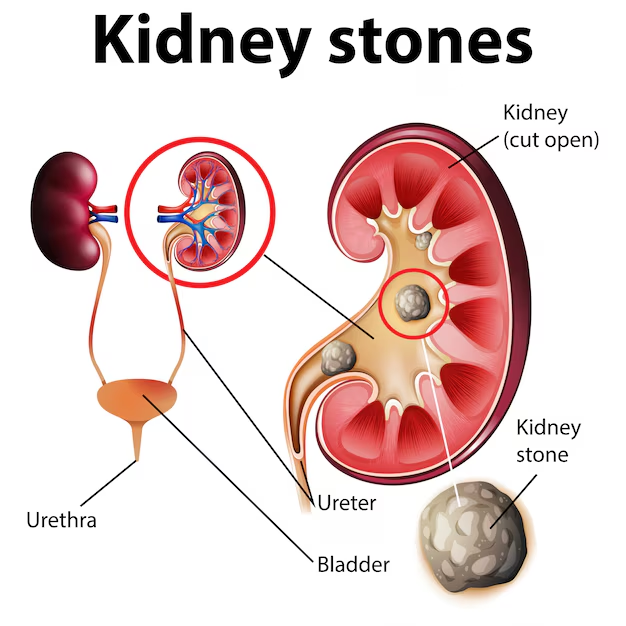
Kidney stones are hard mineral and salt deposits that form in the kidneys. They can vary in size and type, including calcium oxalate, uric acid, struvite, and cystine stones. Symptoms often include severe pain, blood in urine, frequent urination, and nausea. While conventional treatments often involve medications or surgical procedures, homeopathy provides a natural and personalized approach.
Symptoms of Kidney Stones
Kidney stones can cause a range of symptoms, depending on their size, location, and whether they obstruct the urinary tract. Here’s a comprehensive look at the common signs and symptoms:
1. Severe Pain
-
Location: Often felt in the back or side below the ribs, but can radiate to the lower abdomen and groin.
-
Nature: The pain can be intense and sharp, coming in waves. This is sometimes referred to as renal colic.
-
Pattern: Pain may shift as the stone moves through the urinary tract.
2. Hematuria (Blood in Urine)
-
Appearance: Urine may appear pink, red, or brown, indicating the presence of blood.
-
Cause: Blood can result from the stone irritating or scraping the lining of the urinary tract.
3. Frequent Urination
-
Urge: A strong, persistent need to urinate more often than usual.
-
Timing: May be particularly noticeable at night (nocturia).
4. Painful Urination
-
Description: A burning sensation or pain during urination.
-
Location: Typically felt at the end of urination or as the urine is passing.
5. Nausea and Vomiting
-
Associated Symptoms: Often occurs along with severe pain, especially if the pain is intense or prolonged.
-
Reason: Nausea and vomiting can be a response to the severe pain or a result of a kidney infection.
6. Cloudy or Foul-Smelling Urine
-
Appearance: Urine may appear cloudy or have an unusual odor.
-
Cause: This can indicate an infection or the presence of stones.
7. Fever and Chills
-
When Present: Fever and chills may occur if a kidney stone leads to an infection in the urinary tract or kidneys.
-
Severity: This symptom often requires immediate medical attention.
8. Difficulty Urinating
-
Description: A feeling of incomplete bladder emptying or a weak urine stream.
-
Reason: Larger stones can obstruct the flow of urine.
9. Abdominal Swelling
-
Occasion: Less common but can occur if the stone causes a blockage that leads to swelling in the abdomen.
10. Pain Radiating to the Groin
-
Description: Pain may travel from the back or side to the lower abdomen and groin.
-
Reason: As stones move, they can cause discomfort in different areas along the urinary tract.
How Homeopathy Works
Homeopathy is based on the principle of “like cures like,” meaning that a substance that causes symptoms in a healthy person can, in a very diluted form, treat those same symptoms in a sick person. Homeopathic remedies are tailored to the individual’s overall health and specific symptoms, aiming to stimulate the body’s natural healing processes.

Leave Your Comment